Saturday, 28 March 2020

COVID19 List - Days 6 to 8

Monday 23rd March 2020

82. Twin-spotted Quaker Orthosia munda - a late entry from last night in the moth trap

83. Sparrowhawk Accipiter nisus - a regular fly-over here, although very seldom in the garden itself

84. Green Woodpecker Picus viridis - yaffling away from somewhere nearby

85. Reed Bunting Emberiza schoeniclus - oddly (given how boring it is), one of my favourite local bird songs. One starts singing on the common over the road early in the spring, every year. Never yet seen it actually in the garden.

86. Pheasant Phasianus colchicus - calling from nearby fields. Not sure how long these would persist in the absence of released birds each year.

87. Song Thrush Turdus philomelos - incessant songster a few weeks back, but seems to have largely shut up now.

88. Greater Plantain Plantago major - grows through the gravel on the drive

89. Red-tailed Bumblebee Bombus lapidarius - always nice to see the first each year.

90. Garden Bumblebee Bombus hortorum- doesn't seem to be particularly common in the garden, despite the English name

91. Gwynne's Mining Bee Andrena bicolor - the small dark males seem to be quite common in the garden; have recorded these for many years here.


Tuesday 24th March 2020

92. Red-legged Partridge Alectoris rufa - calling from nearby fields, another one heavily influenced by annual releases

93. Wren Troglodytes troglodytes - at least one territory in the garden, and a particularly annoying individual that "clears up" around the moth-trap if I'm not careful.

94. Stock Dove Columba oenas - occasional birds fly past, and they sometimes call from nearby mature trees

95. Great Tit Parus major - another annoying moth-trap pest. This year, as has often been the case in the past, we've got a pair nesting in an air-brick by the kitchen.

96. Pied Wagtail Motacilla alba - one flew over. Think they probably nest somewhere nearby (as do Grey Wagtails most years, although none currently around).

97. Black-headed Gull Chroicocephalus ridibundus - congregation in the ploughed field behind the house

98. Common Gull Larus canus - also in the ploughed fields

99. Tree Bumblebee Bombus hypnorum - a queen bumbling around the flowerbed. This fairly recent colonist has become increasingly abundant in recent years, but really seemed to get knocked back to a low ebb last year.

100. Buddleia Buddleja davidii - freely self-seeding around the garden

101. Tutsan Hypericum androsaemum - presumably initially deliberately planted, but self-seeding over a limited part of the garden

102. Tawny Owl Strix aluco - calling nearby at dusk. Surprised not to add Barn and Little Owl yet...

103. Oak Beauty Biston strataria - two in the moth-trap, always a nice catch.


Wednesday 25th March 2020

104. Long-tailed Tit Aegithalos caudatus - I think they're nesting in the front hedge again (I ought to pull my finger out and look properly I suppose)

105. Redwing Turdus iliacus - a few still hanging around. There's been a big flock of Fieldfares nearby too, but will they come over the garden before they migrate...?

106. Greylag Goose Anser anser - a small flock frequents fields/pools at the other end of the village, flying around from time to time

107. Kestrel Falco tinnunculus - we've got a very active pair close by the house at present (surprised it took this long to remember to write them down in fact). The grassy common is ideal hunting terrain, with various trees and nest boxes suitable for them.

108. Treecreeper Certhia familiaris - not common in the garden, so pleasing to hear one calling and then see it in one of the tall trees in the back

109. Mallard Anas platyrhynchos - pair flew over, they nest on the common most years

110. Wood Forget-me-not Myosotis sylvatica - the garden variety is an abundant self-seeding plant in the back garden, can become dominant in some areas


111. Elder Sambucus nigra - several mature plants, and freely self-seeds

112. Dog's Mercury Mercurialis perennis - a very pleasant surprise to come across this in a shady corner of the back garden. Never noticed it before, wonder how long it's been lurking here


113. Snowdrop Galanthus nivalis - another self-seeding common plant in the back

114. [A micro-fungus] Ramularia septata - an obscure fungus growing on snowdrop leaves. I was alerted to this via a local Facebook group, popped out and then found it in the garden. There are such hidden species in all gardens I'm sure.
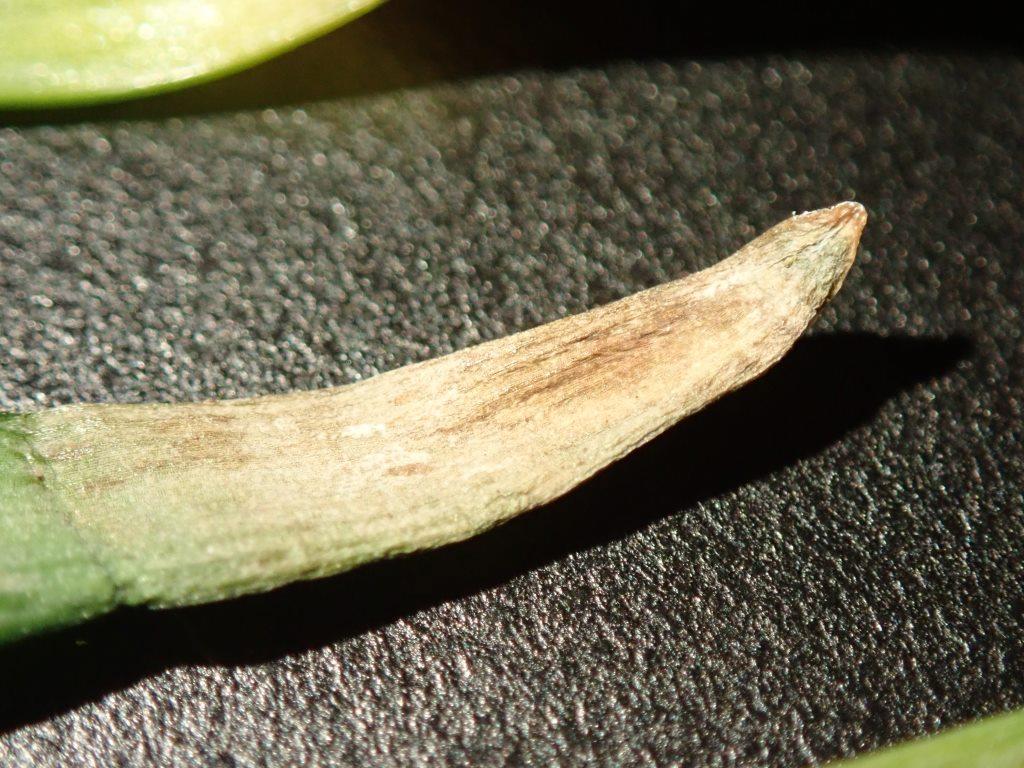


115. Alexanders Rust Puccinia smyrnii - a very common fungus growing on Alexanders everywhere


116. Holly Ilex aquifolium - several plants around the garden, some clearly planted and others more wild in character.


Friday, 27 March 2020

COVID19 List - Day 5

Sunday 22nd March 2020

Thought it was time to add a few birds to the COVID list, plus a round up of a few other obvious species.

32. Chiffchaff Phylloscopus collybita - hooray, it's spring! We don't get wintering Chiffs out here in the icy winter of the Norfolk countryside, so this a definite arrival.

33. Woodpigeon Columba palumbus - day 5...?


34. Chaffinch Fringilla coelebs - male now singing regularly in the back garden

35. Blackbird Turdus merula - common around the garden

36. Jackdaw Coloeus monedula - common in the village, nesting in the ruined churches, some old trees and almost all the nestboxes that have been put up for the Barn Owls...

37. Blue Tit Cyanistes caeruleus - presumably nesting somewhere around the garden at the moment

38. Robin Erithacus rubecula - particularly evident when I do some weeding

39. Coal Tit Periparus ater - singing from nearby conifers

40. Goldcrest Regulus regulus - also singing from nearby conifers, this species has definitely bred in the garden in previous years

41. Greenfinch Chloris chloris - despite the recent national declines, still common around here and nests in the garden.

42. Human Homo sapiens - plenty of wild examples in the neighbourhood

43. Lesser Black-backed Gull Larus fuscus - recent ploughing and tilling of the fields has attracted decent numbers of gulls to nearby fields, regularly passing over the garden

44. Common Buzzard Buteo buteo - now common in the village, pretty much always visible if you look carefully enough. Nice when they occasionally perch close by though.


45. Goldfinch Carduelis carduelis - more common than Greenfinch these days.

46. Hairy-footed Flower-bee Anthophora plumipes - one of the more recognisable spring bees, several males today around the flowerbed. They like the White Dead-nettle. Here's one I photographed from Thetford recently, showing why it's called 'hairy-footed', and indeed 'plumipes'


47. Silverfish Lepisma saccharina - we asked the boys to demolish our old shed today. Been meaning to do this for years. Good for us, terrible news for the population of Silverfish that were living in it!

48. Common Rough Woodlouse Porcellio scaber - more denizens of the destroyed shed...


49. Pied Shield-bug Tritomegas bicolor - a very distinctive bug associated with White Dead-nettle


50. Common Nettle Urtica dioica - common in the garden (obvs)


51. Lords-and-ladies Arum maculata - pretty common around the garden (which has quite a "shady woodland" character in the back)

52. Red Dead-nettle Lamium purpureum - common whenever ground gets disturbed

53. Ground-elder Aegopodium podagraria - WAY too common. Only redeeming feature is that you can eat it. We had a load of fresh leaves that we stuck in a curry, worked quite well. But if you find this starting to appear in a garden, destroy immediately.

54. Ivy-leaved Speedwell Veronica hederifolia - easy to overlook but common.


55. Golden Pigmy Stigmella aurella - the easiest micro-moth leaf-mine to find at this time of the year, in bramble leaves everywhere. Most mines will be vacated, but still very visible.


56. Hogweed Heracleum sphondylium - a common plant in the garden, leaves just pushing through now and useful later for pollinating insects


57. Alexanders Smyrnium olusatrum - increasingly invasive in the garden, spreading from the back hedge throughout. Not at all easy to manage!


58. Cow-parsley Anthriscus sylvestris - a very common plant in the garden, can become dominant without some level of control


59. Yellow Archangel Lamiastrum galeobdolon - another plant that was presumably planted originally but that has spread sufficiently that it feels like it "counts" as a wild plant now in the garden.


60. Beech Fagus sylvatica - difficult one, we have a small number of trees in our hedge, although there are/were some mature trees nearby also. Feels like a fairly natural part of the garden anyway.

61. Honesty Lunaria annua - doesn't feel very natural, but self-seeds in a highly invasive way, and the Orange-tips love it (coming soon...) so feels a countable part of the garden's biodiversity


62. Seven-spot Ladybird Coccinella septempunctata - probably the most obvious beetle in the garden; Harlequin Ladybirds seems to be at a lower ebb at present.


63. Honey Bee Apis mellifera - another odd one for listing purposes. Many folk think that Honey Bees are wild animals. They're not really, we mange almost all of them. Indeed, we have two hives in our garden, and probably most of the Honey Bees we see in the garden have come no more than a few feet. But ..... the bees don't know that. They kind of feel sort of wild.... sod it, on the list they go.


64. "White-footed Hoverfly" Platycheirus albimanus - one of the commoner small spring hoverflies in the garden, with silvery spots on the back where most related species are yellow.


65. Ash Fraxinus excelsior - several still hanging on around the garden, despite the onwards march of the ash dieback around here.

66. "Bramble" Rubus ulmifolius - with the help of Alex Prendergast in the past, I've found both this species and R. vestitus in the garden previously. Better re-find the latter as well then.

67. Common Dog-violet Viola riviniana - seems increasingly common in the garden in recent years. Maybe we'll get Silver-washed Fritillaries breeding soon...


68. Irish Yellow Slug Limacus maculatus - thanks to Brian Eversham for confirmation, this seems to be quite a common species in the garden


69. Winter Aconite Eranthis hyemalis - presumably this was planted once-upon-a-time but highly invasive here, must be 20,000 plants in the back garden! Impressive show of colour in January.

70. "Aconite Smut" Urocystis eranthidis - whilst weeding some aconite out, I noticed this blackish mass erupting from a stem and worked out it must be this, a new species for me. Not often recorded, but presumably widespread.


71. Ground-ivy Glechoma hederacea - very common low-growing plant throughout the garden


72. Mistle Thrush Turdus viscivorus - one singing this afternoon briefly from the back garden, not a regular song spot for it.

73. Stinking Hellebore Helleborus foetidus - small numbers of plants, maybe initially planed but spreading on its own

74. "Lace-web Spider" Amaurobius similis - another victim of the dismantled shed, this is commonly also found inside our house

75. Ox-eye Daisy Leucanthemum vulgare - a very invasive plant throughout the garden, but good for pollinators later on

76. [A leaf beetle] Chrysolina staphylaea - I found this beetle whilst weeding, and it seems to key readily to this species. Quite sizeable (for a leaf beetle). I've only come across it once before (up Ben Lawers in fact!) but it's a common species.


77. Blunt-tailed Snake Millipede Cylindroiulus punctatus - another from the dismnatled shed. Hadn't looked at millipedes for a few years, but this is quite an easy one.

78. Common Carder-bee Bombus pascuorum - a common species in the garden


Additions from previous days

79. [A ground beetle] Notiophilus biguttatus - found whilst weeding on 21st March, now keyed and confirmed

80. [A rove beetle] Xantholinus lineatus - found whilst weeding on 21st March, keyed and confirmed

81. Small Sallow Mining Bee Andrena praecox - a female netted in garden on 21st March, first record here.


COVID19 List - Days 2-4

19th March 2020

Nothing additional jotted down today, didn't start out by taking this seriously enough!


20th March 2020

Again, didn't look particularly in garden today, but ran the moth-trap tonight with just one addition:

11. March Tubic Diurnea fagella - I'm going to try to make more use of the 'new' English names for micro-moths, although I'm not all that keen on this one. What's a tubic anyway? Urban Dictionary says it is "someone who is so fat that they have the appearance of tubes (like the Michelin man)". I don't buy that with Diurnea fagella. Anyway, a regular spring moth and one that causes confusion for beginners, because it's a "micro" but a reasonable enough size to suggest it may be a "macro".


21st March 2020

A Saturday, so a bit more of a look around. Jotted down a few of the more obvious plants and a few insects.

12. Greater Periwinkle Vinca major - presumably this was once planted deliberately in the garden, but we've done nothing to encourage it during the 14 years we've been here, so it's wild enough. Here's a bit with a mildew on its surface, but not sure what the mildew is yet - there seem to be at least a couple of options. The plant itself has big purple flowers which I seem to have overlooked from photographing.


13. Cleavers Galium aparine - very common plant and can be a tiresome 'weed' at times. I like it though because it supports the first sawfly of the year (see later...)


14. Great Willowherb Epilobium hirsutum - just the first developing leaves so far, but this is common in the garden (and even more so over the road on Shotesham Common). Key foodplant for everyone's favourite, the caterpillars of the Elephant Hawk-moth.


15. Ivy Hedera helix - very common in the garden, here pictured on an old rotting willow stump.


16. Yew Taxus baccata - we've got at least three yews in the garden. Presumably planted once upon a time, but these long-established native trees/shrubs in gardens always feel kinda "wild" in a way. They could conceivably be here in absence of people. Anyway, we'll have it...


17. Groundsel Senecio vulgaris - the commonest of the Senecio species and occurs pretty much everywhere. Closer inspection can reveal the next species...


18. "Groundsel Rust" Puccinia lagenophorae - a bright orange micro-fungus that can often be found on the leaves and stems of Groundsel and related plants.


19. White Dead-nettle Lamium album - abundant in my garden, and particularly favoured by bumblebees at this time of year. Bit invasive, but we can tolerate that.


20. Hairy Bittercress Cardamine hirsutum - a small and easily overlooked crucifer. Differentiated from the very similar Wavy Bittercress by having 4 (not 6) stamens. The latter is common just over the road, so I suspect it could also be in the garden somewhere.The plant pictured here was examined carefully, and in the process I found it had some tiny aphids on it. Couldn't work out what they were though.


21. Feverfew Tanacetum parthenium - presumably someone (maybe us even) planted some in the garden originally, but this is a very persistent weed. All over the place, although pleasantly easy to remove if required. Nice pollinator food though in due course.


22. Herb Bennett Geum urbanum - widespread but easily overlooked, has small yellow flowers in due course.


23. Petty Spurge Euphorbia peplus - another readily overlooked but very common plant, and on it I noticed...
24. "Spurge Rust" Melampsora euphorbiae - those small orange blobs on the leaves. This was a new species for me - my first COVID19 lifer from the garden (and far from the last I suspect).


25. Dark-edged Bee-fly Bombylius major - always a highlight of the first warmer days in spring, the bee-flies appeared today. Will be around for a couple of months, holding territory in the garden and parasitising solitary bee burrows.


26. "Early Galium Sawfly" Aglaostigma aucupariae - often the first sawfly of the spring, and because it lays its eggs on Cleavers, can be found in many gardens. A relatively small insect (7-9 mm in length) it can be overlooked without close examination.


27. Early Bumblebee Bombus pratorum - regular but not usually as abundant in the garden as some of the other bumblebees. No photo of this one, bees are often really hard to get decent photos of (for me at least)

28. "Common Dronefly" Eristalis tenax - a very common hoverfly, the size of a honeybee and a good mimic of such.

29. "Tapered Dronefly" Eristalis pertinax - also common in spring, distinguished from tenax by its pale yellow front feet (tarsi). I'd not noticed this suggested English name before for this hoverfly.


30. "Parsley Cheilosia" Cheilosia pagana - I netted this hoverfly in the back garden and keyed it under a microscope. It's a common species but not one I'd identified at home before. Another common name invented by Steven Falk, on account of larvae having been reared from the roots of Cow-parsley, which is indeed common in the garden (and I should have listed it by this stage...)

31. Common Earwig Forficula auricularia - a few disturbed in the soil whilst weeding. This male was scurrying around with a Notiophilus beetle which I haven't identified yet to species.


Covid-19 - the 2020 Garden Lockdown List. Day 1.

It's now 27th March and the world has been in the grip of a rising tide of cases of the coronavirus Covid-19. Everyone's lives have been affected, as governments urge people to reduce social contact to a bare minimum to slow the progression of the virus. As a result, along with most colleagues I've been working at home now for a few weeks. I'm not supposed to leave the garden apart from one period of exercise per day. This is very tough on a lot of people, and personally I'm very fortunate to live in a nice house, with a decent sized garden, surrounded by countryside to enable me to take varied walks each day.

Anyway, in situations like this, a lister's thoughts turned to making a new list. I have therefore started a Covid list, which I've defined as

  • all-taxa,
  • identified to species level (not aggregates)
  • starting on 18th March (the first day I started working at home), ending...? All records from the garden moth-trap are (as is tradition) assigned to the date that the trap was switched on.
  • covering the house and garden (including more distant birds/mammals FROM the garden where appropriate) - front verge also counts
  • plants need to be wild 'weeds' or highly-spreading garden 'invasives', or native trees/shrubs where provenance isn't 100% certain
  • "evidence of" a species also counts even in the absence of seeing the organism itself - hence I don't need to open up every gall or mine

I've been listing garden species for years already (since 2006) and so I have a reasonable idea of what's likely to be here, but am expecting some surprises. The last two of the list-defining points above also are a slight shift from my previous approach, and allow in a few more common plants that were probably originally from planted stock.

I intend to list every species here in this blog, with photos or notes where possible. I will try to do this in the sequence that I encounter them, although many insects may require closer examination and it might be days/weeks/months before I work them out. We'll see how it goes.

18th March 2020

Not very hard-core listing today, but a few things jotted down whilst setting up for the new reality of the BTO working from home.

1. Red Kite Milvus milvus - two were over the field behind the house when I woke up, hunting for worms and the like in the freshly tilled soil. Increasingly regular now in Shotesham, although I haven't yet proven nesting. Still always a thrill to see of course.

2. "Daddy Long-legs Spider" Pholcus phalangioides - an immature was found inside my coffee machine when I opened it to tip the water in. This is a common species inside the house, readily recognised by its ridiculously long legs. Eats other spiders.

3. Buff-tailed Bumblebee Bombus terrestris - a dead one was on the doorstep when I opened the front door in the morning (don't know why it had died - maybe the cat caught it?) Moreover, now starting to be seen by day around the garden, and one was also found in the moth-trap the following night. One of several common bumblebees using the garden, and generally the first each spring. Having a dead one enabled a closer look, to see it was carrying several mites (not kept for identification) and a single thrips (which I have kept to try to name...)


4. A 'winter midge' Trichocera hiemalis - flies of this genus very commonly come to light over the winter months, and there were several when I ran the moth-trap this evening.


5. March Moth Alsophila aescularia - one in moth trap, a common early season species

6. Engrailed Ectropis crepuscularia - one on wall near moth trap. Reasonably common in the spring (and further generations later in the year). Used to be unclear if a second species (Small Engrailed) was also occurring, but recent DNA work has debunked this.

7. Clouded Drab Orthosia incerta - two in moth trap, a common spring noctuid moth


8. Small Quaker Orthosia cruda - 29 in the moth trap, can be very common in spring, peaking around the end of March


9. Hebrew Character Orthosia gothica - four in the moth trap, very common in spring


10. Common Quaker Orthosia cerasi - three in the moth trap, also very common in spring


Also, a "red velvet mite" was in the moth trap but I still don't know how to approach naming these to species.